
You can legally avoid paying tax on rental income, or cut the bill sharply, by claiming every allowable cost, using the right tax-free allowances and owning your property in the most tax-efficient way. HMRC taxes your rental profit, not the rent you collect. So every pound of genuine cost you record lowers the figure HMRC charges tax on.
This guide explains how rental income tax works and walks through ten legal methods UK landlords use to keep more of their rent. You will also find worked examples, common mistakes and clear next steps. If you want a plan built around your own figures, our tax planning specialists can help.
Is It Legal to Avoid Paying Tax on Rental Income?
Yes. Tax avoidance means using the reliefs and allowances written into UK tax law. Tax evasion means hiding income or inventing costs, and it is a criminal offence.
Every method in this guide sits on the legal side of that line. Each one uses a relief HMRC publishes in its own guidance. However, the rules come with conditions, and a wrong claim can turn a saving into a penalty. For that reason, landlords with more than one property often ask a specialist to check their position before they act.
How HMRC Taxes Rental Income

HMRC adds your rental profit to your other income, such as salary or pension, and taxes the total at your normal Income Tax rates. Your rental profit equals the rent you receive minus your allowable expenses.
For most people in England, Wales and Northern Ireland, the first £12,570 of total income is tax-free. Income above that falls into the basic rate band up to £50,270 and the higher rate band above it. This personal allowance also shrinks by £1 for every £2 of income over £100,000. Scottish taxpayers follow different bands.
Rental income comes with reporting rules too. You need to file a Self Assessment tax return if your rental income is more than £2,500 after expenses or more than £10,000 before expenses. If you have never filed before, you must register with HMRC by 5 October after the end of the tax year in which you earned the rent. You can read HMRC’s guidance on paying tax as a landlord for the official thresholds.
Property income is also moving to its own tax rates. From April 2027, rental profits in England, Wales and Northern Ireland will face rates of 22%, 42% and 47%. That change makes every relief in this guide worth more, because each pound of profit you remove saves two extra percentage points of tax.
10 Legal Ways to Avoid Paying Tax on Rental Income
1. Claim Every Allowable Expense
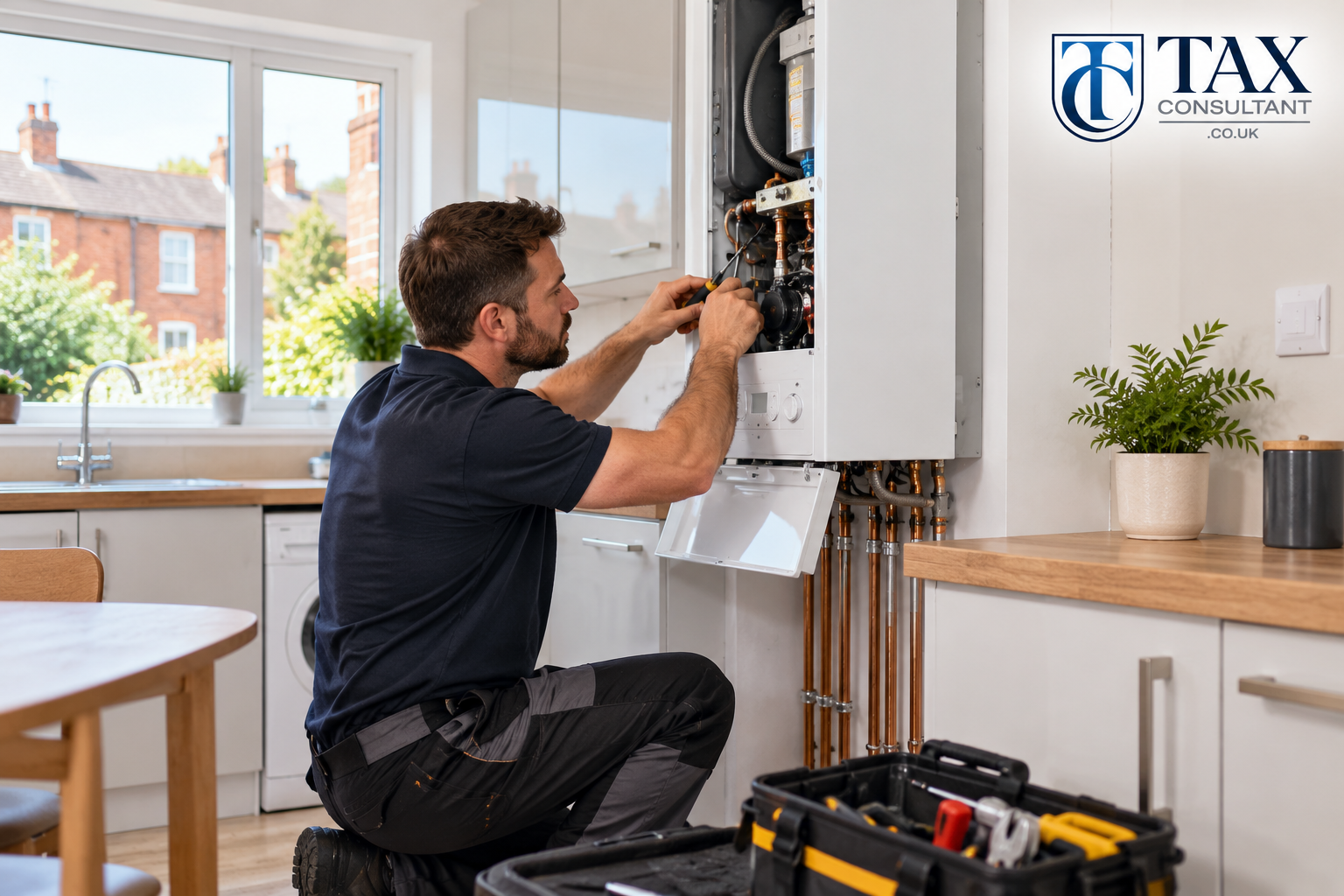
Allowable expenses are the day-to-day costs of running your letting business. HMRC lets you deduct a cost when you spend it wholly and exclusively on the rental. Common examples include the following.
- Letting agent and management fees
- Landlord, buildings and contents insurance
- Repairs that restore the property to its previous condition
- Ground rent, service charges and Council Tax you pay
- Utility bills you cover for the tenant
- Accountancy fees and legal fees for lets of a year or less
- Cleaning, gardening and advertising for new tenants
The line between a repair and an improvement matters most. Replacing a broken boiler with a similar model counts as a repair. Adding an extension or a loft conversion counts as an improvement, so you cannot deduct it from rent. Instead, you deduct improvement costs from your gain when you sell.
A small habit helps here. When a builder carries out mixed work, ask for separate invoices for repairs and improvements. Clear invoices make your claim easy to support if HMRC asks questions.
2. Use the £1,000 Property Allowance When Costs Are Low
The property allowance gives every individual £1,000 of tax-free property income each year. If your gross rent stays at or under £1,000, you do not need to report it at all.
When rent goes above £1,000, you choose between two options. You can deduct the £1,000 allowance from your rent, or you can deduct your actual expenses. You cannot do both.
Take a landlord who earns £3,000 a year from renting out a parking space and spends £400 on costs. Using actual expenses leaves £2,600 of taxable profit. Using the allowance leaves £2,000. So the allowance removes tax on an extra £600 of income.
The allowance usually works best for small side lets with few costs. A full buy-to-let with insurance, agent fees and repairs almost always does better with actual expenses.
3. Claim Mortgage Interest Relief Correctly
Individual landlords cannot deduct mortgage interest from rental income. Instead, HMRC gives a tax credit worth 20% of your finance costs. The credit is capped at 20% of the lowest of three figures, which are your finance costs, your property profit and your income above the personal allowance. Any unused amount carries forward to the next year.
Here is how that works for a higher rate taxpayer. Rent comes to £18,000, running costs are £3,000 and mortgage interest is £6,000. HMRC taxes £15,000 of profit at 40%, which gives £6,000. The 20% credit on £6,000 of interest then removes £1,200, so the final bill comes to £4,800.
You can still push that figure down. Include every finance cost, such as mortgage arrangement fees, broker fees and interest on loans used to buy furniture or fund repairs. Each one adds to the credit. From April 2027, the credit rises to 22% to match the new basic property rate.
4. Claim Replacement of Domestic Items Relief
Replacement of domestic items relief lets you deduct the cost of replacing furniture, furnishings, appliances and kitchenware in a residential let. Beds, sofas, carpets, curtains, fridges, crockery and cutlery all qualify.
The relief covers replacements only. The first purchase of an item for a new let does not qualify. You can also include the cost of disposing of the old item, minus any money you receive for selling it. If you upgrade from a basic fridge to a premium model, you can claim only the cost of a like-for-like replacement.
5. Carry Forward Rental Losses
A rental loss happens when your allowable expenses are higher than your rent in a tax year. HMRC lets you carry that loss forward and set it against future profits from the same property business.
For example, a large repair bill might create a £4,000 loss this year. If the property makes £6,000 profit next year, you pay tax on only £2,000. However, you usually cannot set a rental loss against your salary or self-employed income. So make sure every loss appears on your tax return, or you lose the benefit.
6. Rent a Room in Your Own Home
The Rent a Room Scheme lets you earn up to £7,500 a year tax-free from letting furnished accommodation in your own main home. If you share the income with a partner or another owner, each person gets £3,750.
You do not need to do anything if your rent stays under the limit, because the exemption applies automatically. Once rent goes above £7,500, you choose between paying tax on the excess or deducting actual expenses in the normal way. The scheme does not cover a separate flat you let out or a property you do not live in.
7. Split Ownership With Your Spouse or Civil Partner

Married couples and civil partners who live together pay tax on jointly owned rental property in a 50:50 split by default. This split applies even when one partner owns more of the property.
If you own the property as tenants in common in unequal shares, you can send HMRC Form 17 to declare the real split. HMRC then taxes each of you on your actual share. You must send the form within 60 days of signing it, and you need evidence of the unequal ownership, such as a declaration of trust. Couples who own as joint tenants first need to change to tenants in common.
Here is what that can mean in practice. A couple earns £20,000 a year in rental profit. One partner pays 40% tax and the other pays 20% with room left in the basic rate band. On a 50:50 split, the household pays £6,000 in tax on the rent. If the lower earner genuinely owns 90%, the bill falls to £4,400, which saves £1,600 a year.
A change of ownership can affect your mortgage, Capital Gains Tax and Stamp Duty Land Tax. Transfers between spouses usually carry no Capital Gains Tax, but a share of a mortgaged property can still trigger Stamp Duty. Our property ownership and development team checks these points before you change the title.
8. Consider a Limited Company for a Growing Portfolio
A limited company pays Corporation Tax on rental profit instead of Income Tax. Companies can deduct mortgage interest in full, which makes a big difference for higher rate landlords with large loans. Corporation Tax runs at 19% on profits up to £50,000 and 25% above £250,000, with marginal relief in between. Profits left in the company can also fund the next purchase without a personal tax charge.
However, money you take out as dividends or salary faces personal tax. Dividend tax rates rose in April 2026, so the gap between company and personal ownership has narrowed. A company also brings extra costs for accounts, filings and Companies House returns.
Moving properties you already own into a company counts as a sale at market value. That sale can create Capital Gains Tax and Stamp Duty Land Tax bills. Incorporation relief can defer the gain, but only when your letting activity counts as a genuine business. Our property business incorporation service runs the numbers before you commit, and we also review SDLT advice and incorporation relief options for your portfolio.

9. Use Pension Contributions and Gift Aid
Personal pension contributions and Gift Aid donations extend your basic rate band. For a higher rate taxpayer, that means more of your rental profit falls into the 20% band instead of the 40% band.
For example, a landlord who pays £8,000 into a personal pension gets £2,000 in basic rate relief added by the provider. The basic rate band then grows by £10,000. As a result, £10,000 of income that would have faced 40% tax now faces 20%.
One rule catches many landlords out. Rental income from ordinary lets does not count as relevant UK earnings for pension tax relief. So you need salary or self-employed profit to support larger contributions. Our pensions team can check your limits.
10. Plan Ahead for Capital Gains Tax When You Sell
Capital Gains Tax applies when you sell a rental property for more than you paid. Residential gains face 18% within the basic rate band and 24% above it. Each person also has an annual exempt amount of £3,000.
You can reduce the gain in several ways. Deduct purchase costs, selling fees, Stamp Duty and the cost of improvements such as extensions. If you once lived in the property as your main home, Private Residence Relief covers the years you lived there plus the final nine months of ownership. Joint owners each use their own annual exempt amount, so a couple gets £6,000 tax-free between them.
Timing matters too. A sale in a tax year when your other income is lower can leave more of the gain in the 18% band. Remember that you must report and pay Capital Gains Tax on UK residential property within 60 days of completion.
Quick Comparison of Each Method
| Method | Best for | Watch out for |
|---|---|---|
| Allowable expenses | Every landlord | Improvements are not deductible from rent |
| £1,000 property allowance | Small lets with low costs | Cannot combine with actual expenses |
| Mortgage interest credit | Landlords with finance costs | Relief capped at the basic rate |
| Domestic items relief | Furnished lets | Replacements only, not first purchases |
| Loss carry forward | Years with big repair bills | Only against future rental profit |
| Rent a Room Scheme | Lodgers in your main home | £7,500 limit, halved if shared |
| Form 17 | Couples with unequal ownership | Needs evidence and a 60-day deadline |
| Limited company | Higher rate landlords with larger portfolios | CGT and SDLT on transfer |
| Pension and Gift Aid | Higher rate taxpayers | Rental income is not relevant earnings |
| CGT planning | Landlords planning to sell | 60-day reporting deadline |
Common Mistakes That Increase Your Rental Tax Bill
Many landlords end up paying tax on rental income they could have sheltered because of a few simple errors.
Missing small costs is the most common one. Mileage to inspect the property, phone calls, stationery and landlord training courses all add up over a year.
Another error involves claiming improvements as repairs. HMRC checks this closely, and a wrong claim can lead to a penalty plus interest.
Some landlords also forget that rent collected by a letting agent still counts as their own income. You must declare the full rent and then claim the agent’s fee as an expense.
Finally, many landlords leave planning until January. By then the tax year has ended, and options such as pension contributions or ownership changes are harder to use. Review your position before 5 April each year instead.
Keep Records That Stand Up to HMRC
Good records turn tax relief into money in your pocket. Keep every receipt, invoice and bank statement linked to your rental business for at least five years after the 31 January filing deadline.
Making Tax Digital for Income Tax now applies to landlords with qualifying income over £50,000. The threshold drops to £30,000 from April 2027. If you fall in scope, you must keep digital records and send quarterly updates through HMRC-compatible software. Our bookkeeping services set this up for you, so your records stay accurate all year.
What If You Have Not Declared Rental Income?
If you have earned rent in past years and never told HMRC, you can still put it right. The Let Property Campaign lets landlords disclose unpaid tax on residential lettings. Penalties are usually lower when you come forward before HMRC contacts you.
After you register, HMRC gives you a disclosure reference number and three months to calculate and pay what you owe. Our HMRC enquiries and voluntary disclosures team handles the full process and works toward the lowest penalty the rules allow.
How Our Property Tax Advisor Team Helps You Pay Less

Working with a property tax advisor gives you a plan built around your income, your portfolio and your goals. At Tax Consultant, we help landlords across the UK from our offices in Leeds, Manchester, London and Bristol.
We review your expenses, check your ownership structure, compare personal and company ownership and file your tax return on time. For landlords who sell, we also calculate Capital Gains Tax and submit the 60-day return.
The fastest way to avoid paying tax on rental income you do not owe is to get your figures checked early. Call 0330 133 7827, email hello@taxconsultant.co.uk or contact our team to book a consultation.
Frequently Asked Questions
Can I legally avoid paying tax on rental income completely?
You can pay no tax if your rental profit stays within your unused personal allowance, the £1,000 property allowance or the £7,500 Rent a Room limit. Most buy-to-let landlords cannot remove the bill entirely. However, they can reduce it a great deal by claiming every relief available.
Do I need to declare rental income under £1,000?
No. If your total gross property income stays at or under £1,000 in a tax year, the property allowance covers it and you do not need to tell HMRC.
Can I deduct my mortgage payments from rental income?
You cannot deduct capital repayments at all. Individual landlords get a 20% tax credit on mortgage interest instead of a full deduction. Limited companies can deduct mortgage interest in full as a business cost.
Is it cheaper to own rental property through a limited company?
It depends on your income, your borrowing and whether you need to take profits out. Companies often suit higher rate landlords who reinvest profits. Basic rate landlords with small portfolios often pay less tax by owning personally.
How do married couples avoid paying tax on rental income?
Couples can make sure the partner with the lower income receives a larger share of the rent. To do this, they own the property as tenants in common in unequal shares and send HMRC Form 17. The split must match genuine ownership.
What happens if I do not declare my rental income?
HMRC can charge the unpaid tax, interest and a penalty based on the amount owed. Penalties are usually higher when HMRC finds the income first. The Let Property Campaign gives you a route to disclose voluntarily and keep the penalty lower.